
Reddit’s personal finance communities offer a unique blend of peer-to-peer support and readily available financial advice. These online forums, populated by users ranging from novice investors to seasoned financial professionals, provide a platform for sharing budgeting strategies, debt reduction techniques, and investment approaches. This exploration delves into the diverse perspectives and common themes found within these vibrant online communities, examining both the advantages and potential pitfalls of relying on Reddit for financial guidance.
From detailed discussions on index funds and real estate investment to practical advice on creating effective budgets and tackling overwhelming debt, Reddit’s personal finance subreddits offer a wealth of information. However, navigating this landscape requires critical thinking and an understanding of the limitations of online advice. This analysis will examine the nuances of Reddit’s influence on financial behavior, comparing its insights to traditional financial sources and highlighting the importance of diverse perspectives in making informed financial decisions.
Reddit’s Personal Finance Communities
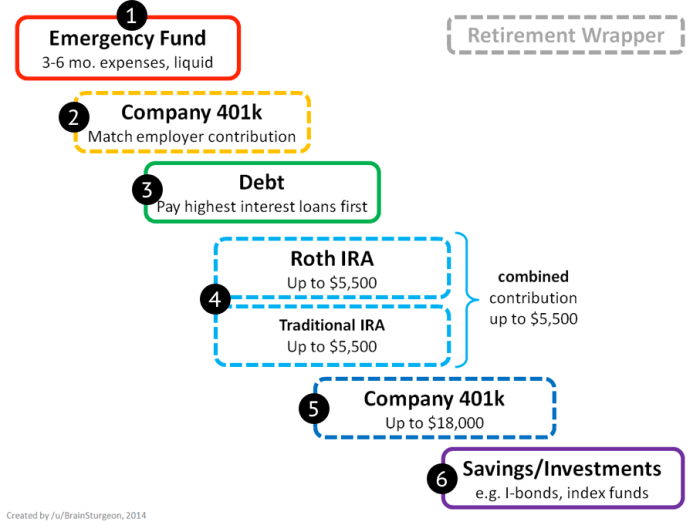
Reddit hosts a vibrant ecosystem of personal finance communities, offering a diverse range of perspectives and advice for users at all stages of their financial journeys. These communities provide a platform for sharing experiences, seeking guidance, and learning from others’ successes and failures. The sheer volume of information available can be overwhelming, but understanding the different communities and their focuses can significantly improve the user experience.
Subreddits Categorized by Focus
The following table categorizes some of Reddit’s most popular personal finance subreddits based on their primary focus. This is not an exhaustive list, but it represents a good cross-section of the available resources. Note that some subreddits may overlap in their content.
| Investing | Budgeting & Saving | Debt Reduction | General Personal Finance |
|---|---|---|---|
| r/investing: A broad community covering various investment strategies and vehicles. | r/personalfinance: A comprehensive subreddit covering all aspects of personal finance, including budgeting. | r/DaveRamsey: A community dedicated to the principles of Dave Ramsey’s financial advice, heavily focused on debt elimination. | r/FIRE: Focused on the Financial Independence, Retire Early (FIRE) movement. |
| r/stocks: Concentrates on stock market discussion and analysis. | r/frugal: A community dedicated to saving money and living frugally. | r/ynab: A community dedicated to the You Need A Budget (YNAB) budgeting method. | r/Bogleheads: A community focused on index fund investing and low-cost investing strategies. |
| r/wallstreetbets: Known for its high-risk, meme-stock-focused discussions (proceed with extreme caution!). | r/povertyfinance: A community for individuals facing financial hardship and seeking support. | r/DebtFree: A supportive community for those working towards becoming debt-free. | r/financialindependence: Similar to r/FIRE, focusing on achieving financial independence. |
Types of Users in Personal Finance Subreddits
Reddit’s personal finance communities attract a diverse user base. This includes beginners seeking foundational knowledge, experienced investors sharing their insights, and individuals with specific niche interests. The range of experience and knowledge levels contributes to lively and informative discussions. However, it is crucial to critically evaluate advice received, as not all advice is equally sound or applicable to every individual’s circumstances.
Common Themes and Topics
Recurring themes across these subreddits include budgeting strategies, investment approaches (both conservative and aggressive), debt management techniques, saving and investing for retirement, and navigating major life financial events like buying a house or paying for education. Discussions frequently involve specific financial products, such as index funds, ETFs, and high-yield savings accounts. Users often share their personal experiences, both successes and failures, providing valuable real-world context to theoretical financial advice.
The prevalence of detailed personal anecdotes underscores the human element inherent in managing personal finances.
Common Financial Advice Shared on Reddit
Reddit’s personal finance communities offer a wealth of advice, often echoing conventional wisdom but also reflecting the lived experiences of a diverse user base. This advice covers a wide range of topics, from budgeting and debt management to investment strategies and retirement planning. The shared experiences and diverse perspectives make these communities valuable resources for navigating personal finance.
Budgeting Techniques
Effective budgeting is frequently emphasized. Users often share their preferred methods, emphasizing the importance of tracking expenses and creating a realistic plan. Popular budgeting methods discussed include the 50/30/20 rule (allocating 50% of income to needs, 30% to wants, and 20% to savings and debt repayment), the zero-based budget (allocating every dollar to a specific category), and envelope budgeting (allocating cash to different spending categories).
Many users also highlight the use of budgeting apps and spreadsheets to simplify the process and track progress. The consistent theme is the need for awareness of spending habits and proactive planning.
Debt Payoff Strategies
Strategies for tackling debt are a prominent theme. The snowball method (paying off the smallest debts first for motivation) and the avalanche method (paying off the highest-interest debts first for cost savings) are frequently debated. Users often share their experiences with debt consolidation, balance transfers, and working with credit counselors. The importance of creating a plan tailored to individual circumstances and maintaining discipline is repeatedly stressed.
Many emphasize the psychological benefits of seeing progress, regardless of the chosen method.
Investment Approaches
Discussions around investing often revolve around diversification and long-term strategies. Index fund investing, particularly through low-cost ETFs (Exchange-Traded Funds), is frequently recommended for its simplicity and potential for long-term growth. Dollar-cost averaging (investing a fixed amount at regular intervals regardless of market fluctuations) is also a popular strategy mentioned to mitigate risk. While some users discuss more active trading strategies, the overall consensus leans towards a long-term, passive approach suitable for beginners and those seeking lower risk.
Saving and Retirement Planning
The importance of saving and planning for retirement is a recurring topic. Many users emphasize the power of compound interest and the benefits of starting early.
- Maxing out employer-sponsored retirement plans: Taking full advantage of 401(k) matches and other employer contributions is consistently highlighted as a crucial step.
- Utilizing tax-advantaged accounts: The benefits of IRAs (Individual Retirement Accounts) and other tax-advantaged accounts are frequently discussed, emphasizing their role in minimizing tax burdens and maximizing long-term growth.
- Developing a long-term savings plan: Users frequently share strategies for setting realistic savings goals and developing a plan to achieve them, often incorporating automatic transfers and budgeting techniques.
The overall attitude towards saving and retirement planning reflects a blend of urgency and pragmatism. Users recognize the long-term benefits but also acknowledge the challenges of balancing current needs with future goals. The emphasis is on consistent saving and smart investment strategies to build a secure financial future.
The Role of Community Interaction in Personal Finance
Online communities, particularly those dedicated to personal finance like Reddit’s r/personalfinance, play a significant role in shaping individuals’ financial decisions and understanding. The interactive nature of these platforms fosters a unique learning environment, blending professional advice with the lived experiences of a diverse user base. This dynamic interaction influences how users approach budgeting, investing, and debt management.Peer-to-peer support significantly influences financial decisions on Reddit.
The platform provides a space for users to share their financial struggles and successes, fostering a sense of community and reducing the isolation often associated with personal finance challenges. This shared experience can lead to more informed and considered decision-making, as users gain insights from others who have navigated similar situations. For instance, someone considering a specific investment strategy might find reassurance and valuable information from others who have already implemented it, sharing both positive and negative outcomes.
Peer Support and Decision-Making
The exchange of information and experiences within these online communities directly impacts the financial choices individuals make. Users can access a wide range of perspectives, learn from the mistakes of others, and gain confidence in their own financial plans. The collective knowledge shared on Reddit can be particularly helpful for those who lack access to traditional financial advisors or who prefer a more collaborative approach to managing their finances.
This collaborative environment allows users to ask questions, receive feedback, and refine their strategies based on real-world examples and shared experiences. A user struggling with student loan debt, for example, might find comfort and practical advice from others who have successfully navigated similar challenges.
The Impact of Shared Experiences and Success Stories
Success stories and relatable experiences shared within the community offer powerful motivation and guidance. Seeing others achieve their financial goals—paying off debt, buying a home, or building a strong investment portfolio—can inspire and encourage users to pursue their own objectives. These positive narratives demonstrate the feasibility of financial success and provide concrete examples of effective strategies. Conversely, discussions of financial setbacks and mistakes offer valuable lessons, highlighting potential pitfalls and strategies to avoid them.
The sharing of both triumphs and failures fosters a realistic and balanced understanding of personal finance, promoting a more informed and responsible approach.
Potential Downsides of Relying Solely on Online Advice
While online communities offer valuable insights, it’s crucial to recognize the limitations of relying solely on online advice. The information shared on platforms like Reddit is not always vetted or professionally verified. Users should critically evaluate the advice they receive, considering the source’s credibility and potential biases. Furthermore, the anonymity inherent in online communities can lead to the spread of misinformation or unsubstantiated claims.
It’s important to cross-reference information found online with reputable sources and, ideally, consult with a qualified financial professional for personalized guidance, especially when making significant financial decisions. Over-reliance on online communities without seeking professional advice could lead to poor financial decisions with potentially severe consequences.
Comparison with Traditional Financial Sources
Reddit’s personal finance communities offer a different approach to financial advice compared to traditional sources like banks, financial advisors, or educational institutions. Traditional sources often provide structured, formal advice, tailored to specific products or services. Reddit, in contrast, offers a more informal and diverse range of perspectives, reflecting the experiences and opinions of a broad user base. While traditional sources often focus on specific financial products, Reddit discussions frequently encompass broader aspects of financial well-being, such as mental health, lifestyle choices, and the impact of societal factors on personal finances.
While both offer valuable insights, the best approach is often a combination of both—utilizing the diverse perspectives of online communities while also seeking professional guidance for tailored advice.
Analyzing Reddit’s Influence on Financial Behavior
Reddit’s vibrant personal finance communities exert a considerable influence on the financial decisions of their users. The open and often highly engaged nature of these communities creates a unique environment where advice, both good and bad, is readily shared and discussed, shaping investment strategies and overall financial behavior. This analysis will explore how Reddit discussions translate into observable trends and potential consequences.Reddit’s impact on investment choices is multifaceted.
The platform provides access to a vast range of perspectives, from seasoned investors to those just starting out. This can lead to diversification of investment strategies, as users are exposed to a wider variety of asset classes and investment philosophies than they might encounter through traditional channels. However, this also introduces the risk of following unsubstantiated advice or engaging in herd behavior, particularly in volatile markets.
Trends in Financial Behavior Based on Reddit Discussions
Several trends in financial behavior are readily apparent within Reddit’s personal finance communities. One prominent example is the increased interest in specific asset classes, often driven by community-led discussions and hype cycles. For instance, the significant rise in interest in meme stocks, like GameStop, can be directly linked to the coordinated actions and discussions within subreddits like r/wallstreetbets.
This highlights how collective online sentiment can directly influence investment decisions, often overriding traditional fundamental analysis. Another trend is the growing popularity of passive investment strategies, particularly index funds and ETFs, promoted through numerous subreddits dedicated to long-term investing and financial independence. This contrasts with the more active, speculative approaches seen in other corners of the platform. Finally, the increased accessibility of financial information on Reddit has empowered users to make more informed decisions, but it also requires a discerning eye to separate credible advice from potentially harmful information.
Reddit’s Influence on Investment Choices
The platform’s influence on investment choices is undeniable. The readily available information and community feedback can lead to increased diversification of portfolios, as users are exposed to a wider array of investment options. Conversely, the susceptibility to groupthink and the potential for misinformation can lead to poor investment decisions. For example, the rapid rise and fall of certain cryptocurrencies, often fueled by enthusiastic discussions within dedicated subreddits, illustrate the risks associated with relying solely on community sentiment.
The anonymity afforded by the platform can also encourage riskier behavior, as users may feel less accountable for their decisions. Conversely, the peer-to-peer support offered by these communities can be beneficial, providing encouragement and accountability for users striving to achieve their financial goals.
Hypothetical Scenario Illustrating Reddit’s Impact
Imagine a young investor, Sarah, newly interested in investing. She joins several personal finance subreddits, seeking advice. Initially, she learns about index funds and dollar-cost averaging, adopting a relatively conservative approach. However, she then encounters enthusiastic discussions on r/wallstreetbets about a particular meme stock. Driven by the excitement and perceived potential for quick profits, she invests a significant portion of her savings, ignoring the inherent risks.
The stock initially rises, reinforcing her belief in the community’s wisdom, but eventually crashes, resulting in substantial financial losses. This scenario illustrates the potential for both positive and negative influences exerted by Reddit’s personal finance communities.
Positive and Negative Impacts of Reddit on Financial Behavior
It’s crucial to acknowledge both the benefits and drawbacks of relying on Reddit for financial advice.
The potential positive impacts include:
- Increased access to financial information and diverse perspectives.
- Enhanced community support and accountability.
- Exposure to a wider range of investment strategies and asset classes.
- Empowerment of users to make more informed financial decisions.
Conversely, the potential negative impacts include:
- Susceptibility to misinformation and unsubstantiated advice.
- Increased risk-taking behavior due to groupthink and anonymity.
- Potential for significant financial losses due to following speculative trends.
- Overreliance on community sentiment rather than fundamental analysis.
PERSONAL FINANCE
Reddit’s personal finance communities offer a diverse range of investment strategies, each with its own set of potential benefits and drawbacks. Understanding these strategies and their associated risks is crucial for making informed investment decisions. This section explores several popular investment approaches discussed on Reddit, highlighting their key characteristics and common pitfalls.
Investment Strategies Discussed on Reddit
Redditors frequently discuss a variety of investment strategies, three of the most prominent being index funds, individual stocks, and real estate. Each approach presents a unique balance of risk and reward, catering to different investor profiles and financial goals.
Index Funds: A Passive Approach
Index funds offer a passive investment strategy that tracks a specific market index, such as the S&P 500. This diversification reduces risk compared to investing in individual stocks. The returns are generally tied to the performance of the underlying index, making them a relatively predictable, though not guaranteed, investment. However, the potential for high returns is also limited compared to more aggressive strategies.
Individual Stocks: Active Investing and Higher Risk
Investing in individual stocks involves selecting specific companies to invest in, offering the potential for higher returns but also significantly higher risk. Thorough research and understanding of the company’s financials and market position are essential. The success of this strategy heavily depends on the investor’s ability to identify undervalued companies or those poised for significant growth. Conversely, poor choices can lead to substantial losses.
Real Estate: Tangible Assets and Long-Term Growth
Real estate investment involves purchasing properties, either for rental income or appreciation in value. It’s considered a long-term investment, often requiring significant capital upfront. While real estate can provide substantial returns and stable rental income, it also carries risks like market fluctuations, property maintenance costs, and potential vacancy periods. Liquidity is also lower compared to stocks or index funds.
Comparative Analysis of Investment Approaches
The following table summarizes the pros and cons of each investment strategy:
| Investment Strategy | Pros | Cons | Risk Level |
|---|---|---|---|
| Index Funds | Diversification, low fees, relatively low risk | Lower potential returns compared to individual stocks, market fluctuations still apply | Low to Moderate |
| Individual Stocks | Potential for high returns, active participation in market | High risk, requires significant research and knowledge, potential for substantial losses | High |
| Real Estate | Potential for high returns, rental income, tangible asset | High initial investment, illiquidity, maintenance costs, market fluctuations | Moderate to High |
Common Investment Mistakes Highlighted on Reddit
Reddit discussions frequently highlight several recurring investment mistakes. These include:* Emotional Investing: Making investment decisions based on fear or greed, rather than a well-defined strategy. For example, panic selling during market downturns or chasing hot tips without proper research.
Lack of Diversification
Concentrating investments in a single asset class or a small number of stocks, increasing overall risk.
Ignoring Fees
Failing to account for fees associated with investments, which can significantly erode returns over time. High expense ratios on mutual funds are a common example.
Insufficient Research
Investing in assets without conducting thorough due diligence, leading to poor investment choices and potential losses.
Chasing Returns
Prioritizing high returns over risk management, leading to overly aggressive investment strategies that can backfire.
PERSONAL FINANCE
Effective personal finance management hinges on two key pillars: budgeting and debt management. Understanding and implementing sound strategies in both areas is crucial for achieving long-term financial stability and security. This section will explore practical budgeting methods and debt repayment strategies commonly discussed and recommended within the Reddit personal finance community.
Budgeting Methods
Redditors frequently advocate for several effective budgeting methods, each tailored to different personalities and financial situations. The 50/30/20 rule, zero-based budgeting, and envelope budgeting are popular choices. The 50/30/20 rule suggests allocating 50% of after-tax income to needs, 30% to wants, and 20% to savings and debt repayment. Zero-based budgeting involves meticulously tracking every dollar earned and assigning it a specific purpose, ensuring all income is accounted for.
Envelope budgeting entails allocating cash to specific categories in physical envelopes, providing a visual and tangible representation of spending limits. Choosing the right method depends on individual preferences and financial literacy.
Debt Repayment Strategies
Managing debt effectively requires a strategic approach. Two prominent strategies frequently debated on Reddit are the debt snowball and debt avalanche methods. The debt snowball method prioritizes paying off the smallest debt first, regardless of interest rate, to build momentum and motivation. The debt avalanche method, conversely, focuses on paying off the debt with the highest interest rate first, minimizing overall interest paid.
Both methods are valid, with the debt avalanche generally being more financially efficient in the long run, while the debt snowball often provides a greater psychological boost.
Creating a Personal Budget
Let’s illustrate budget creation using a hypothetical scenario. Assume a monthly net income of $3,
000. Applying the 50/30/20 rule
| Category | Percentage | Amount |
|---|---|---|
| Needs (Housing, Food, Transportation, Utilities) | 50% | $1500 |
| Wants (Entertainment, Dining Out, Hobbies) | 30% | $900 |
| Savings & Debt Repayment | 20% | $600 |
This is a simplified example; a more detailed budget would include specific line items within each category (e.g., rent, groceries, gas, etc.). Tracking expenses diligently using budgeting apps or spreadsheets is essential for accurate budget adherence.
Creating a Debt Repayment Plan
A structured debt repayment plan is vital for effective debt management. Here’s a step-by-step guide:
- List all debts: Note each debt’s creditor, balance, and interest rate.
- Choose a repayment method: Decide between the debt snowball or debt avalanche method.
- Determine minimum payments: Calculate the minimum monthly payment for each debt.
- Allocate extra funds: Direct any extra funds towards the prioritized debt.
- Track progress: Monitor payments and adjust the plan as needed.
- Celebrate milestones: Acknowledge and reward yourself for reaching payment goals to maintain motivation.
For example, if using the debt avalanche method, the highest-interest debt receives the maximum available payment above the minimum payments on all other debts. Once that debt is paid off, the extra funds are redirected to the next highest-interest debt. This process continues until all debts are eliminated.
PERSONAL FINANCE
Reddit’s personal finance communities offer a wealth of information and support, but navigating this landscape effectively requires understanding the resources available and their limitations. This section explores frequently recommended resources for improving financial literacy, the benefits of diverse learning approaches, common financial tools, and the caveats of relying solely on online platforms.
Financial Literacy Resources Frequently Recommended on Reddit
Reddit users frequently recommend a variety of resources for enhancing financial literacy. These resources cater to different learning styles and financial situations. Access to diverse resources is crucial for a comprehensive understanding of personal finance.
- Books: “The Total Money Makeover” by Dave Ramsey, “Rich Dad Poor Dad” by Robert Kiyosaki, and “I Will Teach You To Be Rich” by Ramit Sethi are frequently cited examples. These books often offer practical advice and actionable steps for improving one’s financial situation, though their approaches can vary significantly.
- Websites and Blogs: Many reputable personal finance websites and blogs offer articles, guides, and calculators. Examples include NerdWallet, Investopedia, and The Balance. These platforms provide a wealth of information on a wide range of topics, from budgeting and investing to debt management and retirement planning.
- Podcasts: Podcasts provide a convenient way to learn about personal finance while commuting or doing other tasks. Popular podcasts include “The Dave Ramsey Show,” “Planet Money,” and “The Afford Anything Podcast.” These podcasts often feature interviews with experts and real-life stories, offering diverse perspectives on financial matters.
- YouTube Channels: Numerous YouTube channels dedicated to personal finance offer video tutorials, explanations of complex financial concepts, and reviews of financial products. Channels like Graham Stephan and Andrei Jikh are examples of channels providing educational content in a visually engaging format.
- Online Courses: Platforms like Coursera, edX, and Khan Academy offer free or paid courses on various aspects of personal finance. These courses often provide structured learning paths and assessments, allowing users to track their progress and solidify their understanding.
The Value of Diverse Financial Education Resources
Utilizing a variety of resources enhances understanding by presenting different perspectives and learning styles. Different resources emphasize different aspects of personal finance, providing a more holistic view. For instance, a book might focus on budgeting strategies, while a podcast might discuss investing approaches. Combining these resources provides a well-rounded education.
Types of Financial Tools and Calculators Often Mentioned
Reddit discussions frequently feature various financial tools and calculators that help users make informed decisions.
- Budgeting Apps: Mint, YNAB (You Need A Budget), and Personal Capital are popular examples. These apps help users track their income and expenses, identify areas for improvement, and create budgets.
- Investment Calculators: These calculators estimate future investment growth based on factors like initial investment, contribution amounts, and expected rate of return. They can help users plan for retirement or other long-term goals.
- Debt Repayment Calculators: These tools help users compare different debt repayment strategies, such as the debt snowball or debt avalanche methods, and estimate the time and cost of paying off debt.
- Mortgage Calculators: These calculators estimate monthly mortgage payments based on loan amount, interest rate, and loan term. They can help users determine affordability and compare different mortgage options.
Limitations of Relying Solely on Online Resources for Financial Education
While online resources are valuable, they should not be the sole source of financial education. Online information can be outdated, inaccurate, or biased. Personalized financial advice from a qualified professional, such as a financial advisor, is often necessary to address individual circumstances and goals. Furthermore, online resources often lack the interactive element of in-person learning, which can hinder comprehension and application of financial concepts.
Reddit’s personal finance communities represent a dynamic and evolving ecosystem of financial knowledge sharing. While offering valuable insights and peer support, it’s crucial to approach the information critically, supplementing online advice with professional guidance when necessary. Ultimately, the success of leveraging these online resources hinges on a combination of informed participation, critical evaluation, and a commitment to personal financial responsibility.
Understanding the diverse perspectives and potential pitfalls within these communities empowers users to make informed decisions and navigate their financial journeys effectively.
Top FAQs
What are the risks of following financial advice solely from Reddit?
Relying solely on Reddit for financial advice can be risky because the information isn’t vetted by professionals, and opinions can be biased or inaccurate. It’s crucial to cross-reference information with reputable sources.
How can I identify reliable users and advice on Reddit’s personal finance subreddits?
Look for users with established histories, consistent contributions, and verifiable expertise. Be wary of overly promotional or simplistic advice. Prioritize advice supported by evidence and multiple sources.
Are there age restrictions or limitations for participating in these subreddits?
While there aren’t strict age restrictions, many subreddits encourage responsible participation and caution against providing advice outside one’s area of expertise. Minors should always involve a responsible adult in financial decisions.
How do I avoid scams and misleading information on these subreddits?
Be skeptical of overly promising returns, guarantees, or pressure tactics. Verify information with independent sources and avoid clicking on suspicious links. Report suspicious activity to moderators.


