
Navigating the world of personal finance can feel overwhelming, but thankfully, technology offers a helping hand. In 2024, a plethora of personal finance apps are available, each promising to simplify budgeting, track spending, and even assist with investing. This guide cuts through the noise, identifying the best apps to help you take control of your financial future. We’ll explore top contenders, compare key features, and address common concerns to help you choose the perfect app for your needs.
From simple budgeting tools to sophisticated investment platforms, these apps offer a range of functionalities designed to empower users at every stage of their financial journey. Understanding the strengths and weaknesses of each application is crucial in making an informed decision. We will delve into crucial aspects like security, user experience, and the specific features that set each app apart.
Introduction to Personal Finance Apps
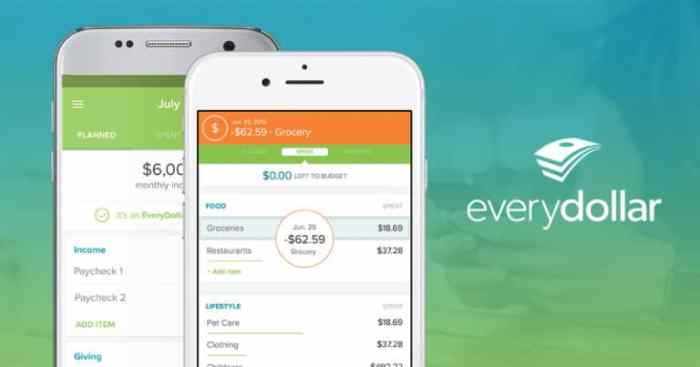
Personal finance apps are software applications designed to help individuals manage their money more effectively. They provide a centralized platform for tracking income, expenses, budgeting, and investing, ultimately aiming to improve financial literacy and well-being. These apps offer a range of features to simplify complex financial tasks and empower users to make informed decisions about their finances.Using personal finance apps offers several significant advantages in managing personal finances.
They streamline the process of tracking spending, providing clear visualizations of where money is going. This increased awareness often leads to better budgeting and reduced unnecessary expenditures. Furthermore, many apps offer automated features, such as bill reminders and savings goals, promoting better financial discipline. The convenience and accessibility of these apps, often available on smartphones and computers, make managing finances easier than ever before.
Finally, the ability to link accounts and receive real-time updates allows for proactive financial management, enabling users to identify potential issues promptly.
Key Features of Excellent Personal Finance Apps
Excellent personal finance apps stand out from their mediocre counterparts due to several key features. These features enhance user experience and significantly improve the effectiveness of financial management. A well-designed app should prioritize intuitive navigation and a clean user interface, ensuring ease of use for individuals with varying levels of tech-savviness. Robust security measures are also crucial, protecting sensitive financial data from unauthorized access.
Finally, the integration of advanced features, such as financial goal setting, investment tracking, and personalized financial advice, further distinguishes top-tier apps. For example, an excellent app might offer personalized budgeting suggestions based on spending habits, or provide insights into investment performance compared to market benchmarks. Mediocre apps often lack these crucial elements, resulting in a less effective and potentially frustrating user experience.
Security and Privacy Considerations
Protecting your financial data is paramount when using personal finance apps. These apps handle sensitive information, including bank account details, investment portfolios, and personal financial goals. Therefore, understanding the security measures in place and the privacy policies governing your data is crucial for responsible app usage.The security and privacy practices of leading personal finance apps vary, but several common features contribute to a secure user experience.
Many employ robust encryption methods to protect data both in transit and at rest. This means your information is scrambled during transmission and stored in an unreadable format, safeguarding it from unauthorized access. Multi-factor authentication (MFA), often involving a one-time code sent to your phone or email, adds an extra layer of security, making it significantly harder for hackers to gain access even if your password is compromised.
Regular security audits and updates also play a critical role in identifying and patching vulnerabilities.
Data Encryption and Security Protocols
Leading personal finance apps typically utilize advanced encryption standards like AES-256 to protect user data. This encryption method scrambles data, making it unreadable without the correct decryption key. Furthermore, many apps employ secure protocols like HTTPS to ensure that data transmitted between the app and the server remains confidential. This prevents eavesdropping by malicious actors who might intercept data during transmission.
Regular security updates are crucial to address any emerging vulnerabilities and maintain the integrity of the security protocols. For example, Plaid, a popular financial data aggregator used by many apps, employs robust security measures including encryption and multi-factor authentication to protect user data.
Privacy Policies and Data Handling
Each personal finance app has a privacy policy outlining how it collects, uses, and protects user data. These policies usually detail what information is collected (e.g., transaction history, income, expenses), how it’s used (e.g., to provide personalized financial insights, detect fraud), and with whom it might be shared (e.g., third-party service providers). Users should carefully review these policies before using an app to understand the implications of sharing their financial data.
Reputable apps are transparent about their data practices and provide clear explanations of how user information is protected. For instance, Mint, a popular budgeting app, clearly Artikels its data collection and usage practices in its privacy policy, allowing users to make informed decisions.
User Recommendations for Enhanced Security
Users can take several steps to enhance their security when using personal finance apps. Choosing apps from reputable developers with strong security track records is a crucial first step. Activating multi-factor authentication adds a significant layer of protection against unauthorized access. Regularly reviewing account activity and reporting any suspicious transactions promptly is also vital. Strong, unique passwords for each app are essential, and avoiding using the same password across multiple accounts is highly recommended.
Finally, keeping the app software updated ensures access to the latest security patches and features. Staying informed about potential security threats and best practices for online financial security contributes to a more secure experience.
Illustrative Example: Budgeting with Mint
This example demonstrates how a fictional user, Sarah, utilizes the Mint personal finance app to manage her monthly budget. Mint, known for its user-friendly interface and comprehensive features, provides a clear overview of Sarah’s financial situation, allowing her to track income, expenses, and progress towards savings goals.Sarah, a freelance graphic designer, uses Mint to categorize her income and expenses, set budgets, and monitor her progress toward saving for a down payment on a new car.
Setting up a Budget in Mint
The initial setup involves linking Sarah’s bank accounts, credit cards, and investment accounts to Mint. The app then automatically imports transaction data, categorizing each transaction based on merchant and description. This process is secure, with Mint employing industry-standard encryption to protect user data. Sarah reviews and edits the automated categorization, ensuring accuracy. A primary dashboard displays a circular graph, visually representing the allocation of her monthly budget across various categories like housing, transportation, food, and entertainment.
The colors used are vibrant and easily distinguishable, making it simple to identify areas of overspending or underspending. Beneath the graph, a detailed breakdown of income and expenses is shown, clearly indicating the current monthly balance. A small, easily accessible icon allows for the quick addition of manual transactions.
Tracking Income and Expenses
Sarah’s income is primarily from freelance projects. Mint allows her to manually input her project earnings, categorizing them as “Freelance Income.” Her expenses are automatically imported and categorized into pre-defined categories such as “Groceries,” “Rent,” “Utilities,” and “Transportation.” If a transaction is miscategorized, Sarah can easily edit the category manually. She can also create custom categories for specific expenses.
The app generates a clear, detailed report of her monthly spending, highlighting areas where she might be overspending. For example, if she consistently exceeds her allocated budget for “Dining Out,” the app will highlight this with a clear visual indicator, prompting her to review her spending habits in that category. A timeline view displays her transactions chronologically, allowing for easy review of spending patterns over time.
Monitoring Savings Goals
Sarah has set a savings goal of $5,000 for a down payment on a new car within the next year. Within Mint, she created a separate “Savings Goal” for this purpose. The app tracks her progress towards this goal, showing the amount saved and the remaining amount needed. It also projects the time remaining to reach the goal based on her current savings rate.
This visual representation of her progress motivates Sarah to stick to her budget and save consistently. If she falls short of her projected savings rate, the app will provide visual cues and suggestions to help her adjust her spending habits. Mint also provides a budgeting tool to help her allocate funds toward her savings goal, ensuring a certain percentage of her income is consistently directed toward her savings.
The app displays this savings progress prominently on the main dashboard, reinforcing the visual reminder of her financial goal.
Ultimately, the best personal finance app for you depends on your individual needs and financial goals. Whether you’re a seasoned investor or just starting to build good financial habits, this guide has provided a comprehensive overview of the leading apps in 2024. By carefully considering the features, security measures, and user experience of each app, you can confidently select the tool that will best support your path toward financial well-being.
Remember to prioritize your security and always read the terms and conditions before sharing any sensitive financial information.
FAQ Insights
What data do these apps typically access?
Most apps require access to your bank accounts and credit card information to accurately track transactions. They may also request access to other financial accounts, depending on the features offered.
Are these apps secure?
Reputable apps employ robust security measures, including encryption and multi-factor authentication. However, it’s crucial to choose well-established apps with positive reviews and strong security protocols.
How much do these apps cost?
Pricing varies widely. Some apps offer free basic features with paid subscriptions for advanced functionalities, while others are entirely free or operate on a freemium model.
Can I use these apps on multiple devices?
Most offer mobile apps for both iOS and Android, and many also have web interfaces for desktop access.


