
Mastering your finances can feel like navigating a complex maze, but the right tools can transform the journey. This guide explores the best personal finance software available, examining key features, security considerations, and user experience to help you find the perfect fit for your needs. We’ll delve into budgeting tools, investment tracking capabilities, and debt management features, comparing popular options to illuminate their strengths and weaknesses.
Ultimately, we aim to empower you to make informed decisions and take control of your financial future.
From simple budgeting apps to sophisticated investment platforms, the market offers a vast array of personal finance software. Understanding the nuances of each category – budgeting, investing, tax preparation, and more – is crucial for selecting a tool that aligns with your specific financial goals and comfort level. This guide provides a comparative analysis, helping you identify essential features and navigate the complexities of choosing the right software for your unique circumstances.
Defining “Best” in Personal Finance Software
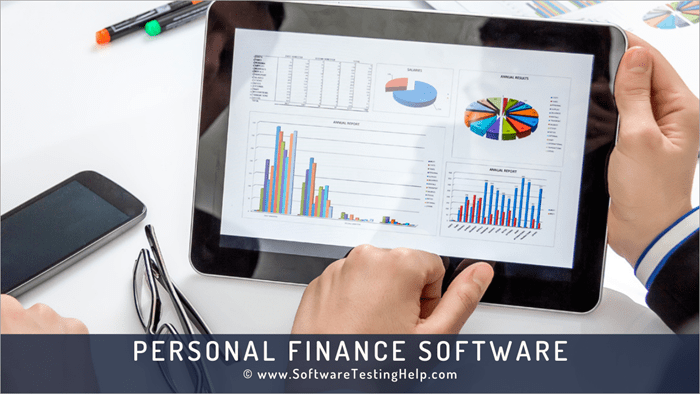
Choosing the “best” personal finance software isn’t about finding a single perfect solution, but rather identifying the software that best aligns with your individual needs and financial goals. Several factors contribute to this assessment, making a one-size-fits-all recommendation impossible. This section will Artikel the key criteria for evaluating personal finance software and provide a comparative analysis of different software categories.Defining “best” involves a careful consideration of user needs, desired features, and the software’s pricing structure.
A sophisticated, feature-rich program might be overkill for someone with simple financial needs, while a basic budgeting tool might lack the necessary tools for an investor managing a complex portfolio. The optimal choice depends heavily on individual circumstances and priorities.
User Needs and Feature Prioritization
Understanding your financial goals is paramount. Are you primarily focused on budgeting and expense tracking? Do you need tools for investment management, tax preparation, or debt reduction? Different software excels in different areas. For example, a user focused on budgeting might prioritize features like automated transaction categorization, personalized budget templates, and insightful reporting tools.
In contrast, an investor might prioritize features such as portfolio tracking, investment analysis tools, and integration with brokerage accounts. Clearly identifying your needs helps you narrow down the options and avoid paying for features you won’t use.
Comparative Analysis of Software Categories
Personal finance software often falls into several distinct categories, each with its strengths and weaknesses.
Budgeting Software
Budgeting software typically focuses on tracking income and expenses, creating budgets, and providing visual representations of spending habits. Strengths include user-friendly interfaces, simple expense tracking, and clear visualizations of financial health. However, they may lack sophisticated features for investment management or tax preparation. Mint and YNAB (You Need A Budget) are popular examples. Mint excels in ease of use and automatic transaction categorization, while YNAB emphasizes a zero-based budgeting methodology.
Investing Software
Investing software focuses on managing investment portfolios, tracking asset performance, and providing analytical tools. Strengths include portfolio diversification analysis, performance tracking, and potentially, automated investing features. However, these often come with a higher price tag and a steeper learning curve compared to budgeting software. Examples include Personal Capital and Fidelity’s online platform, which offer varying levels of sophistication and integration with brokerage accounts.
Tax Preparation Software
Tax preparation software assists in filing tax returns, often offering guidance and features to maximize deductions. Strengths include accuracy in tax calculations, seamless integration with tax forms, and potential for reduced tax liability. However, the utility is limited to a specific time of year, and the software may not provide ongoing financial management features. TurboTax and H&R Block are widely known examples, each offering different levels of support and features.
Essential Features of Personal Finance Software
While the specific features needed vary based on individual needs, several essential features should be considered when evaluating personal finance software. These include:
- Secure Data Storage and Encryption: Protecting your financial information is crucial. Look for software with robust security measures.
- Intuitive User Interface: The software should be easy to navigate and use, regardless of your technical skills.
- Automated Transaction Categorization: This feature significantly reduces the time spent manually categorizing transactions.
- Customizable Budgeting Tools: The ability to create and adjust budgets based on your specific needs is essential.
- Reporting and Visualization Tools: Clear and informative reports and charts help you understand your financial situation.
- Account Aggregation: The ability to connect to various financial accounts simplifies data entry and provides a comprehensive overview.
Considering these essential features in conjunction with your specific financial goals and budget will help you choose the personal finance software that best suits your needs.
Key Features of Top Personal Finance Software
Choosing the right personal finance software can significantly improve your financial management. The best programs offer a comprehensive suite of tools designed to simplify budgeting, track investments, manage debt, and ultimately, help you achieve your financial goals. This section will delve into the key features that differentiate top-tier software from the rest.
Budgeting Tools
Effective budgeting is fundamental to sound personal finance. Top personal finance software provides a range of tools to assist with this process. Many programs allow users to create detailed budgets by categorizing income and expenses, setting spending limits, and tracking progress toward financial goals. For example, Mint allows users to connect bank accounts and credit cards to automatically categorize transactions, providing a clear visual representation of spending habits.
YNAB (You Need A Budget) employs a zero-based budgeting method, requiring users to allocate every dollar of their income to a specific category, promoting mindful spending and reducing impulsive purchases. Personal Capital offers robust budgeting features with sophisticated reporting and analysis tools, providing a deeper understanding of cash flow. The effectiveness of these tools varies depending on individual needs and preferences; however, the automation and visualization features generally lead to improved budgeting practices.
Investment Tracking Capabilities
Tracking investments is crucial for monitoring portfolio performance and making informed decisions. Leading personal finance software offers features to track various investment accounts, including stocks, bonds, mutual funds, and retirement accounts. Many programs automatically download transaction data from brokerage accounts, eliminating manual data entry. For instance, Personal Capital excels in providing comprehensive investment tracking with advanced portfolio analysis, including asset allocation, risk assessment, and performance benchmarking.
Mint provides a basic overview of investment accounts, but its strength lies in its budgeting and spending tracking features. Other software, such as Quicken, offers more detailed investment tracking capabilities, including tax reporting features and performance charting. The choice depends on the complexity of one’s investment portfolio and the level of detail required for analysis.
Debt Management Features
Effective debt management is vital for financial health. Top personal finance software often includes features to help users track and pay down debt. These features typically involve tools for inputting debt information (balance, interest rate, minimum payment), calculating payoff timelines using different repayment strategies (e.g., snowball, avalanche methods), and visualizing progress toward debt freedom. Many programs allow users to create customized debt repayment plans and track their progress over time.
For example, some software will automatically calculate the extra payments needed to pay off debt faster based on user-defined goals. This functionality empowers users to make informed decisions about debt repayment and accelerate the process. The visualization of debt reduction progress is particularly motivating and helps users stay on track.
Comparison of Personal Finance Software
| Software | Key Features | Investment Tracking | Pricing |
|---|---|---|---|
| Mint | Budgeting, Spending Tracking, Bill Payment Reminders | Basic Investment Account Overview | Free |
| YNAB (You Need A Budget) | Zero-Based Budgeting, Goal Setting | Limited Investment Tracking | Subscription-based |
| Personal Capital | Comprehensive Budgeting, Investment Tracking, Retirement Planning | Advanced Portfolio Analysis | Free (basic); Subscription-based (premium) |
| Quicken | Budgeting, Investment Tracking, Tax Reporting | Detailed Investment Tracking | One-time purchase or subscription |
Security and Privacy in Personal Finance Software
Protecting your financial data is paramount when using personal finance software. Reputable providers implement a range of security measures to safeguard your sensitive information, but understanding these measures and potential risks is crucial for responsible usage. This section details the security protocols employed by leading providers, common vulnerabilities, and mitigation strategies.Security measures employed by reputable personal finance software providers often include robust encryption methods to protect data both in transit and at rest.
This means your data is scrambled during transmission to and from the software’s servers and is stored in an encrypted format, making it unreadable without the correct decryption key. Multi-factor authentication (MFA) is another common security feature, adding an extra layer of protection beyond just a password. This typically involves verifying your identity through a second method, such as a code sent to your phone or email.
Regular security audits and penetration testing are also conducted by responsible providers to identify and address vulnerabilities before they can be exploited by malicious actors. Furthermore, many providers offer features like transaction monitoring and fraud alerts, which can help detect suspicious activity.
Data Encryption and Storage
Data encryption is a cornerstone of security in personal finance software. Providers typically use strong encryption algorithms like AES-256 to protect data both while it’s being transmitted (in transit) and while it’s stored on their servers (at rest). This means that even if a hacker were to gain access to the database, they wouldn’t be able to easily decipher the encrypted financial information.
The strength of the encryption algorithm used is a key factor to consider when evaluating the security of different software options. For example, AES-256 is considered a highly secure standard. The specific implementation of encryption, however, can vary between providers, and users should review the security details provided by their chosen software.
Potential Security Risks and Mitigation
While reputable providers implement robust security measures, potential risks remain. Phishing attacks, where users are tricked into revealing their login credentials through fraudulent emails or websites, are a significant concern. Malware infections on a user’s device can also compromise their personal finance data. Weak or easily guessable passwords present another significant vulnerability. Mitigation strategies include enabling MFA, regularly updating software and operating systems, being wary of suspicious emails and websites, and using strong, unique passwords for each online account.
Employing a password manager can greatly simplify this process. Furthermore, users should regularly review their account activity for any unauthorized transactions.
Comparison of Privacy Policies
Privacy policies vary across different personal finance software applications. Some providers may collect more data than others, and their data usage practices may differ. Users should carefully review the privacy policy of any software before using it to understand what data is collected, how it’s used, and with whom it may be shared. For instance, some providers may share anonymized data with third-party analytics companies for research purposes, while others may have stricter policies regarding data sharing.
A thorough comparison of privacy policies across leading applications, such as Mint, Personal Capital, and YNAB, reveals differences in their data collection and sharing practices, highlighting the importance of informed consent. Reading and understanding these policies is crucial for making informed decisions about which software to use.
User Experience and Interface Design
A positive user experience is paramount for personal finance software. Users need a program that’s not only functional but also enjoyable and intuitive to use, encouraging consistent engagement and accurate financial tracking. A poorly designed interface can lead to frustration, inaccurate data entry, and ultimately, a failure to achieve financial goals. The ideal design should prioritize simplicity and clarity, making complex financial information easily accessible and understandable.Effective personal finance software interfaces prioritize ease of use and intuitive navigation.
The design should guide users seamlessly through the process of inputting, analyzing, and interpreting their financial data. Visual clarity, logical organization, and efficient workflows are key components of a successful design. This includes features like clear categorization options, easy-to-understand charts and graphs, and straightforward reporting functionalities. The software should be accessible across various devices, ensuring consistency in experience regardless of whether the user is on a desktop, tablet, or smartphone.
Examples of Software with Excellent User Interfaces
Mint and Personal Capital are two examples of software that exemplify excellent user interface design. Mint excels in its clean and uncluttered layout, using simple visuals and intuitive navigation to present a comprehensive overview of the user’s financial situation. Its dashboard provides a quick snapshot of key financial metrics, while its budgeting and transaction categorization tools are remarkably user-friendly.
Personal Capital, while geared towards a more sophisticated user, maintains a similarly clean and intuitive interface. Its strength lies in its ability to present complex data – such as investment portfolios and retirement projections – in a clear and accessible manner, using interactive charts and graphs that simplify data interpretation. Both applications leverage color-coding and visual cues effectively, aiding in quick comprehension of financial information.
Factors Contributing to a Positive User Experience
A positive user experience in personal finance software is built upon several key factors. Firstly, simplicity is crucial; the software should be easy to learn and use, even for users with limited technological expertise. Secondly, intuitive navigation ensures users can easily find the information and tools they need. Thirdly, visual clarity is essential; data should be presented in a clear and concise manner, using charts, graphs, and other visual aids to enhance understanding.
Fourthly, personalization allows users to customize the software to meet their specific needs and preferences. Finally, reliable performance and responsive customer support are critical to maintaining user satisfaction. A software program that frequently crashes or has slow response times will quickly frustrate users, as will a lack of readily available and helpful support when problems arise.
Choosing the Right Software for Different Needs
Selecting the optimal personal finance software hinges on individual circumstances. Different life stages and financial goals demand varying levels of functionality and complexity. Understanding these needs is crucial for making an informed decision and maximizing the software’s benefits. The right tool can significantly simplify financial management, fostering better budgeting, saving, and investment strategies.The ideal personal finance software adapts to evolving needs.
A simple budgeting app might suffice for a student, while a family might require advanced features for investment tracking and tax planning. Similarly, someone focused on saving will prioritize budgeting tools, while an investor will value portfolio tracking and analysis capabilities.
Software Needs for Different User Profiles
Different life stages bring distinct financial priorities. Students often grapple with managing limited funds and tracking expenses, while young professionals focus on debt reduction and building savings. Families require tools to manage joint accounts, plan for children’s education, and potentially navigate complex tax situations. Retirement planning becomes increasingly important as individuals approach middle age.
- Students: Simple budgeting apps focusing on expense tracking and basic savings goals are sufficient. Features like expense categorization and visual representations of spending habits are beneficial. Free or low-cost options are generally suitable.
- Young Professionals: Software with debt management tools, savings goal tracking, and investment tracking capabilities is desirable. Integration with bank accounts for automatic transaction updates is a significant advantage. Mid-range pricing options often strike a balance between features and cost.
- Families: Robust software supporting multiple accounts, budgeting for household expenses, and long-term financial planning (e.g., college funds, retirement) is essential. Features like shared access and collaborative budgeting are highly beneficial. Premium options with advanced features are often preferred.
- Retirees: Software focused on retirement income management, tax optimization strategies, and estate planning tools is crucial. Easy-to-use interfaces and clear reporting are paramount. The specific features and cost will depend on individual needs and complexity of financial assets.
Software Options for Various Financial Goals
The software’s suitability depends heavily on the user’s financial objectives. Someone prioritizing saving will need robust budgeting and goal-setting tools, while an investor needs portfolio tracking and analysis features. Retirement planning requires specialized tools for projections and tax optimization.
- Saving: Software with detailed budgeting tools, savings goal setting features, and progress tracking is essential. Visualizations of savings progress can be highly motivating.
- Investing: Software offering portfolio tracking, investment performance analysis, and tax optimization strategies is crucial. Integration with brokerage accounts is a major advantage.
- Retirement Planning: Software with retirement calculators, projection tools, and tax optimization strategies for retirement income is necessary. Features allowing for adjustments based on various scenarios are valuable.
- Debt Management: Software with debt tracking, payoff strategies, and interest calculation tools is important. Visualizations of debt reduction progress can boost motivation.
Key Considerations for Software Selection
Choosing the right personal finance software requires careful consideration of individual needs and preferences. Factors such as ease of use, security features, and cost all play a significant role.
- Ease of Use and Interface: The software should be intuitive and easy to navigate, regardless of technical proficiency. A clean, well-organized interface enhances user experience.
- Security and Privacy: Robust security measures, including encryption and two-factor authentication, are essential to protect sensitive financial data. A clear privacy policy outlining data handling practices is crucial.
- Features and Functionality: The software should offer the specific features needed to meet individual financial goals, whether it’s budgeting, investment tracking, or retirement planning.
- Cost and Value: Consider the software’s pricing model (subscription, one-time purchase) and whether the features justify the cost. Free options exist, but often lack the advanced features of paid alternatives.
- Platform Compatibility: Ensure the software is compatible with your devices (desktop, mobile) and operating systems.
- Customer Support: Reliable customer support is vital in case of technical issues or questions. Consider the availability of support channels (email, phone, online help).
Choosing the best personal finance software is a personal journey, deeply intertwined with your individual financial goals and technological proficiency. By carefully considering the features, security protocols, user interface, and integration capabilities of different software options, you can empower yourself to make informed decisions. Remember that the software is just one piece of the puzzle; financial literacy and proactive habits are equally vital for long-term financial well-being.
Take control of your financial future – start exploring today!
Q&A
What is the difference between budgeting and accounting software?
Budgeting software focuses on planning and tracking your spending against your income goals. Accounting software, on the other hand, is geared towards managing business finances, including invoicing, expense tracking, and financial reporting.
Is my data safe with personal finance software?
Reputable personal finance software providers employ robust security measures, including encryption and multi-factor authentication. However, it’s crucial to choose established providers with strong privacy policies and to practice good password hygiene.
Can I import data from my bank accounts?
Many personal finance software applications offer direct integration with various banking institutions, allowing you to automatically import transaction data. However, the availability of this feature depends on both the software and your bank.
What if I need help using the software?
Most providers offer customer support through various channels, such as email, phone, or online help centers. Check the software’s documentation or website for support options before purchasing.


