
Mastering personal finance is a journey, not a destination, and one that significantly impacts overall well-being. This guide provides a comprehensive framework for managing your financial life, covering budgeting, saving, investing, debt management, and much more. Whether you’re a young adult just starting out or an experienced professional looking to refine your strategies, this resource offers practical advice and actionable steps to build a strong financial foundation.
We will explore various aspects of personal finance, from creating effective budgets and tracking expenses to developing sound investment strategies and managing debt effectively. The guide also delves into crucial topics such as insurance, tax planning, and the importance of continuous learning and skill development to enhance your financial future. Through clear explanations, practical examples, and helpful tools, this guide aims to empower you to take control of your financial life and achieve your financial goals.
Debt Management
Effective debt management is crucial for achieving long-term financial stability. Understanding different repayment strategies and developing a comprehensive plan are key steps in taking control of your finances and working towards a debt-free future. Ignoring debt can lead to escalating interest charges, damaged credit scores, and significant financial stress. This section explores effective strategies and steps to manage your debt effectively.
Debt Repayment Strategies: Debt Snowball vs. Debt Avalanche
Choosing the right debt repayment strategy can significantly impact the time and money it takes to become debt-free. Two popular methods are the debt snowball and debt avalanche methods. Both aim to eliminate debt, but they differ in their approach to prioritizing payments.
The following table compares and contrasts these two popular methods:
| Feature | Debt Snowball Method | Debt Avalanche Method |
|---|---|---|
| Prioritization | Smallest debt first, regardless of interest rate. | Highest interest rate debt first, regardless of balance. |
| Psychological Impact | Provides early wins and motivation by quickly eliminating smaller debts. | May take longer to see initial progress, but saves more money in the long run. |
| Financial Impact | May cost more in interest overall. | Minimizes total interest paid, leading to faster debt elimination. |
| Example | Pay off a $500 credit card first, then move to a $2000 loan. | Pay off a loan with 18% interest first, even if it has a larger balance than other debts with lower interest rates. |
Creating a Debt Repayment Plan
Developing a comprehensive debt repayment plan involves several key steps:
- Identify all debts: List every debt you have, including credit cards, loans, and other outstanding balances. Note the balance, interest rate, and minimum payment for each.
- Calculate interest rates: Accurately determine the annual percentage rate (APR) for each debt. This information is usually found on your monthly statement.
- Prioritize payments: Choose a repayment strategy (debt snowball or debt avalanche) and prioritize your debts accordingly.
- Create a budget: Develop a realistic budget that allocates extra funds towards debt repayment. Track your spending to ensure you stay on track.
- Make consistent payments: Commit to making at least the minimum payments on all debts, and allocate extra funds to the prioritized debt according to your chosen strategy.
- Monitor progress: Regularly review your progress and adjust your plan as needed. Celebrate milestones to stay motivated.
Situations Requiring Professional Financial Advice
Seeking professional financial advice is crucial in several situations:
- Overwhelming debt: When debt levels are significantly high and managing them feels impossible, a financial advisor can help create a structured plan and explore options like debt consolidation or bankruptcy.
- Complex financial situations: Individuals with multiple debts, varying interest rates, and other financial complexities may benefit from personalized guidance.
- Inability to create a budget: If struggling to create or stick to a budget, a financial advisor can provide support and tools for effective money management.
- Facing legal action from creditors: When creditors are pursuing legal action, professional advice is essential to navigate the legal process and explore potential solutions.
- Considering debt consolidation or bankruptcy: These are significant financial decisions that require careful consideration and expert advice to understand the implications and choose the best course of action.
Financial Planning for Life Stages
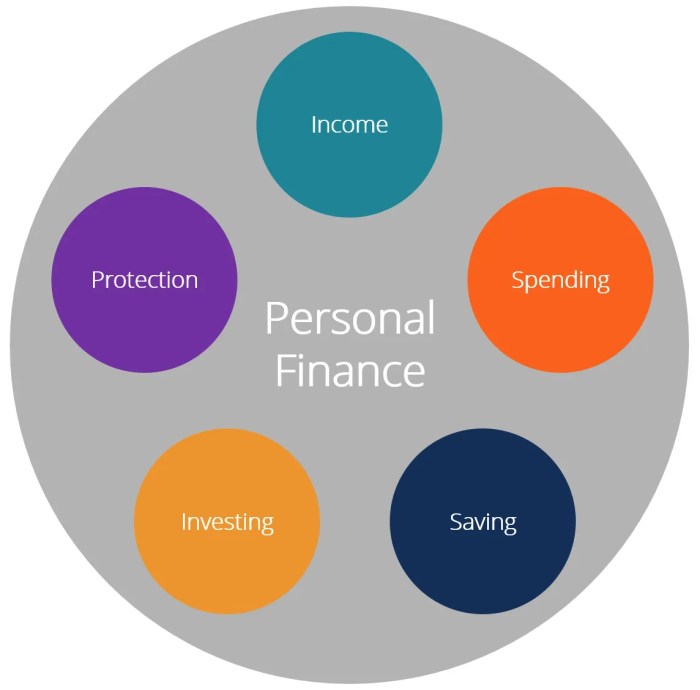
Effective financial planning is a dynamic process that adapts to the various stages of life. Different life stages present unique financial challenges and opportunities, requiring tailored strategies to achieve long-term financial well-being. Understanding these shifts and proactively adjusting your financial plan is crucial for securing your future.
Financial Planning for Young Adults
This stage focuses on building a solid financial foundation. Young adults, typically just entering the workforce, should prioritize establishing good saving and spending habits while minimizing debt. A well-structured plan at this stage sets the stage for future financial success.
A typical plan might include:
- Emergency Fund: Aim for 3-6 months’ worth of living expenses in a readily accessible savings account. This acts as a safety net for unexpected events like job loss or medical emergencies. For example, if monthly expenses are $2000, the emergency fund goal would be $6000-$12000.
- Debt Management: Prioritize paying off high-interest debt, such as credit card debt, as quickly as possible. Consider debt consolidation or balance transfer options to lower interest rates. A practical approach involves creating a debt repayment plan, prioritizing debts with the highest interest rates first (the avalanche method).
- Saving and Investing: Start contributing to retirement accounts like a 401(k) or IRA as early as possible to take advantage of compound interest. Consider investing a portion of savings in low-cost index funds or ETFs for long-term growth. Even small contributions early on can make a significant difference over time. For example, starting with $100 a month at age 25 can accumulate to a substantial amount by retirement age.
Financial Planning for Families with Young Children
This stage involves balancing the needs of a growing family with long-term financial goals. Prioritizing education savings and securing adequate insurance coverage becomes paramount. Strategic planning ensures the family’s financial security and provides for the children’s future.
Key considerations include:
- Education Savings: Start saving early for your children’s education using 529 plans or other education savings accounts. Consistent contributions, even small amounts, can significantly reduce the financial burden of college tuition. Consider the potential for government grants and scholarships.
- Insurance Needs: Secure adequate life insurance to protect your family in the event of your death. Consider disability insurance to provide income replacement in case of illness or injury. Health insurance is crucial for covering medical expenses.
- Budgeting and Expense Management: Develop a detailed budget to track income and expenses, ensuring sufficient funds for essential needs and savings goals. Prioritize needs over wants, and explore cost-saving measures where possible.
- Mortgage Planning: If buying a home, carefully consider mortgage options and affordability. Factor in property taxes, insurance, and potential maintenance costs.
Retirement Planning for Individuals Approaching Retirement
This stage focuses on securing a comfortable retirement income. Individuals approaching retirement need to assess their retirement savings, evaluate their income sources, and plan for potential healthcare expenses. A well-defined strategy helps ensure financial stability during retirement.
Retirement income sources typically include:
- Social Security: Understand your eligibility for Social Security benefits and plan accordingly. The amount received depends on your earnings history and retirement age.
- Retirement Accounts: Withdraw funds strategically from 401(k)s, IRAs, and other retirement accounts. Consider tax implications and withdrawal strategies to maximize your income and minimize tax liabilities. A phased withdrawal approach might be considered to spread out the tax burden.
- Pension Plans: If applicable, understand the terms of your pension plan and how it will contribute to your retirement income. Many pensions provide a fixed monthly income.
- Part-time Work or Consulting: Supplement retirement income through part-time work or consulting gigs. This can help maintain a desired lifestyle and reduce reliance on savings.
- Reverse Mortgages: Consider a reverse mortgage as a last resort, carefully weighing the pros and cons. This option allows you to borrow against your home’s equity but reduces your estate’s value.
Understanding Credit and Loans
Understanding credit and loans is crucial for effective personal finance management. This section will explore credit scores, various loan types, and strategies for maintaining a positive credit history. Navigating the world of credit responsibly can significantly impact your financial well-being, allowing you to access better borrowing opportunities and potentially save considerable money over time.
Credit Scores and Their Impact on Borrowing Costs
Your credit score is a numerical representation of your creditworthiness, calculated using information from your credit report. Lenders use this score to assess the risk associated with lending you money. A higher credit score indicates a lower risk, resulting in more favorable loan terms, such as lower interest rates and potentially higher loan amounts. Conversely, a lower credit score suggests a higher risk, leading to higher interest rates, smaller loan amounts, or even loan denials.
Factors contributing to your credit score include payment history (the most significant factor), amounts owed, length of credit history, new credit, and credit mix. For example, a person with a credit score of 750 might qualify for a mortgage with a 4% interest rate, while someone with a score of 600 might face an interest rate of 8% or higher, significantly increasing the total cost of the loan over its lifetime.
Types of Loans
Different types of loans cater to various financial needs, each with its own features, interest rates, and repayment terms. Understanding these differences is vital for making informed borrowing decisions.
| Loan Type | Interest Rate | Repayment Terms | Eligibility Criteria |
|---|---|---|---|
| Mortgage | Varies greatly depending on credit score, loan-to-value ratio, and market interest rates (e.g., 4-7%) | Typically 15-30 years | Good credit score, stable income, sufficient down payment, proof of homeownership |
| Auto Loan | Varies depending on credit score, vehicle type, and loan term (e.g., 3-8%) | Typically 3-7 years | Good credit score, proof of income, acceptable vehicle appraisal |
| Personal Loan | Varies depending on credit score, loan amount, and loan term (e.g., 6-20%) | Typically 1-7 years | Good credit score, stable income, clear purpose for loan |
Maintaining a Good Credit History and Improving a Poor Credit Score
Maintaining a good credit history is essential for accessing favorable loan terms and financial opportunities. This involves consistently making on-time payments, keeping credit utilization low (the amount of credit used compared to the total available credit), and avoiding excessive applications for new credit. For those with a poor credit score, improving it requires consistent effort. Strategies include paying down existing debts, disputing any inaccurate information on your credit report, and consistently making on-time payments on all credit accounts.
Consider using credit counseling services if you are struggling to manage your debt. Consistent responsible credit behavior over time will gradually lead to an improved credit score, opening doors to better financial opportunities in the future.
Investing in Your Education and Skills
Investing in your education and skills is a powerful strategy for long-term financial success. It’s not just about acquiring knowledge; it’s about building a foundation for higher earning potential, increased job security, and greater career satisfaction. This investment, while requiring upfront costs, often yields significant returns over the course of your working life.The financial benefits of investing in personal and professional development are substantial and far-reaching.
Increased earning potential is the most immediate and obvious advantage. However, the benefits extend beyond higher salaries, encompassing factors such as enhanced job security, increased career flexibility, and improved overall quality of life. Investing in oneself demonstrates a proactive approach to career management, often leading to better opportunities and faster career progression.
Examples of Educational Opportunities and Potential ROI
Investing in education and training can take many forms, each with its own potential return on investment (ROI). The ROI can be difficult to precisely quantify, as it depends on individual circumstances, career paths, and market conditions. However, considering the potential salary increases and career advancements, the investment often proves worthwhile.
- Bachelor’s Degree: A four-year bachelor’s degree significantly boosts earning potential across most professions. While the cost of tuition and living expenses can be substantial, the lifetime earnings increase often outweighs the initial investment. For example, studies consistently show that college graduates earn significantly more over their lifetime compared to those with only a high school diploma. The exact ROI varies greatly depending on the field of study and individual career trajectory.
- Master’s Degree or Specialized Certification: A master’s degree or professional certification in a high-demand field can dramatically increase earning potential. For instance, a Master of Business Administration (MBA) can open doors to senior management positions with significantly higher salaries. Similarly, certifications in fields like cybersecurity or data science are highly valued and command premium salaries. The ROI here is often faster than a Bachelor’s degree, as specialized skills are quickly marketable.
- Professional Development Courses and Workshops: Shorter, targeted courses and workshops can provide valuable skills upgrades within a specific area of expertise. These may focus on software proficiency, project management, or specific industry knowledge. While the upfront cost is typically lower than a degree, the ROI can be rapid, leading to promotions or new opportunities within a short timeframe. For example, a short course in a specific software program could lead to a salary increase within a few months.
Budgeting for Education and Training Expenses
Planning a budget for education and training is crucial to ensure the investment is financially feasible. Consider all costs, including tuition fees, books, materials, accommodation, and transportation. Exploring various funding options is vital, such as scholarships, grants, employer-sponsored tuition assistance programs, and student loans. Creating a realistic budget and exploring financing options before commencing the program helps avoid financial strain during the learning process.
Careful planning and budgeting can minimize financial risks and maximize the return on investment in education and skills development.
Building a Strong Financial Foundation
Building a solid financial foundation is crucial for long-term financial well-being and security. It involves establishing healthy financial habits, making informed decisions, and proactively planning for the future. This foundation allows you to navigate unexpected life events with greater confidence and achieve your financial goals more effectively.A strong financial foundation is not about accumulating vast wealth; it’s about creating a system that supports your financial needs and aspirations.
This includes managing your debt effectively, saving consistently, and investing wisely. The benefits extend far beyond mere monetary gain; it fosters peace of mind, reduces stress, and allows for greater control over your financial future.
Actionable Steps for Improved Financial Well-being
Taking proactive steps towards better financial health is essential. These steps, when consistently implemented, contribute significantly to building a strong financial foundation.
- Create a Realistic Budget: Track your income and expenses to understand your spending habits. Identify areas where you can cut back and allocate funds towards savings and debt repayment.
- Establish an Emergency Fund: Aim for 3-6 months’ worth of living expenses in a readily accessible savings account. This fund acts as a safety net during unexpected job loss, medical emergencies, or other unforeseen circumstances.
- Pay Down High-Interest Debt: Prioritize paying off high-interest debt, such as credit card balances, to minimize interest charges and accelerate debt reduction. Consider strategies like the debt snowball or debt avalanche method.
- Save Consistently: Automate savings by setting up regular transfers from your checking account to your savings account. Even small, consistent savings accumulate over time and contribute to your long-term financial goals.
- Invest Wisely: Once you have an emergency fund and are managing your debt effectively, start investing to grow your wealth. Consider options like retirement accounts (401(k), IRA), index funds, or other investment vehicles aligned with your risk tolerance and financial goals.
Long-Term Benefits of Consistent Financial Planning and Discipline
Consistent financial planning and discipline yield substantial long-term benefits, extending beyond immediate financial gains. The cumulative effect of these practices significantly improves financial security and provides opportunities for greater financial freedom.The consistent application of sound financial principles leads to reduced financial stress and improved mental well-being. The ability to comfortably handle unexpected expenses or pursue long-term goals contributes to a sense of security and control over one’s financial life.
This, in turn, fosters greater peace of mind and allows for a more fulfilling life. For example, someone who consistently saved and invested throughout their working years will likely enjoy a comfortable retirement, free from financial worries. Conversely, someone who neglected financial planning may face significant financial hardship in retirement.
The Importance of Seeking Professional Financial Advice
Seeking professional financial advice is a valuable step, especially when navigating complex financial situations or needing guidance on specialized areas. Financial advisors provide personalized strategies tailored to individual circumstances, offering expertise and objectivity.Financial advisors can help individuals create comprehensive financial plans, optimize investment strategies, and manage risk effectively. They can also provide guidance on retirement planning, estate planning, and tax optimization.
Their expertise can be particularly valuable in situations involving significant financial decisions, such as purchasing a home, starting a business, or managing significant inheritances. The cost of professional financial advice is often outweighed by the long-term benefits it provides, particularly in terms of avoiding costly mistakes and maximizing financial growth.
Ultimately, effective personal finance management is about building a sustainable financial future. By consistently implementing the strategies Artikeld in this guide – from budgeting and saving to investing and debt management – you can create a roadmap for financial success. Remember that consistent effort and proactive planning are key to achieving long-term financial well-being. Don’t hesitate to seek professional advice when needed; a financial advisor can provide personalized guidance and support tailored to your specific circumstances.
Questions Often Asked
What is a good credit score?
Generally, a credit score above 700 is considered good, while scores above 800 are excellent. However, the specific thresholds vary depending on the scoring model used.
How often should I review my budget?
It’s recommended to review your budget at least monthly to track your progress, adjust spending as needed, and identify areas for improvement.
What is the difference between saving and investing?
Saving is setting aside money for short-term goals with low risk, while investing involves putting money into assets (stocks, bonds, etc.) with the potential for higher returns but also higher risk.
How can I reduce my tax burden?
Tax reduction strategies include maximizing deductions, claiming eligible credits, and contributing to tax-advantaged accounts like 401(k)s or IRAs.


